The Rise of Autonomous AI Agents: Transforming the Future of Work
Artificial Intelligence is undergoing a fundamental paradigm shift. We are moving rapidly past the era of static, text-in-text-out chatbots and entering the age of Autonomous AI Agents.
While traditional language models wait passively for user prompts, AI agents possess agency: the ability to perceive context, make autonomous decisions, utilize digital tools, and execute multi-step workflows to achieve complex goals.
What is an AI Agent?
At its core, an AI agent is an intelligent system powered by advanced Large Language Models (LLMs) that acts as a cognitive engine. Unlike a basic assistant that answers questions in isolation, an AI agent combines:
- Reasoning & Planning: Deconstructing complex objectives into actionable sub-tasks.
- Tool Integration: Interacting with APIs, databases, browser interfaces, and software tools.
- Memory Management: Maintaining short-term context and long-term knowledge across sessions.
- Self-Reflection & Correction: Evaluating outputs, identifying errors, and adjusting strategies autonomously.
Key Components of Modern AI Agents
To understand how AI agents function, let's break down their core architectural layers:
- The Core Brain (LLM): Evaluates input, determines logic flow, and decides the next steps.
- Tools & Perception: Interacts with the real world through search engines, code execution environments, and external services.
- Workflow Loop: Continuously observes results, updates state, and loops until the final goal is met.
Real-World Applications
AI agents are already driving impact across multiple domains:
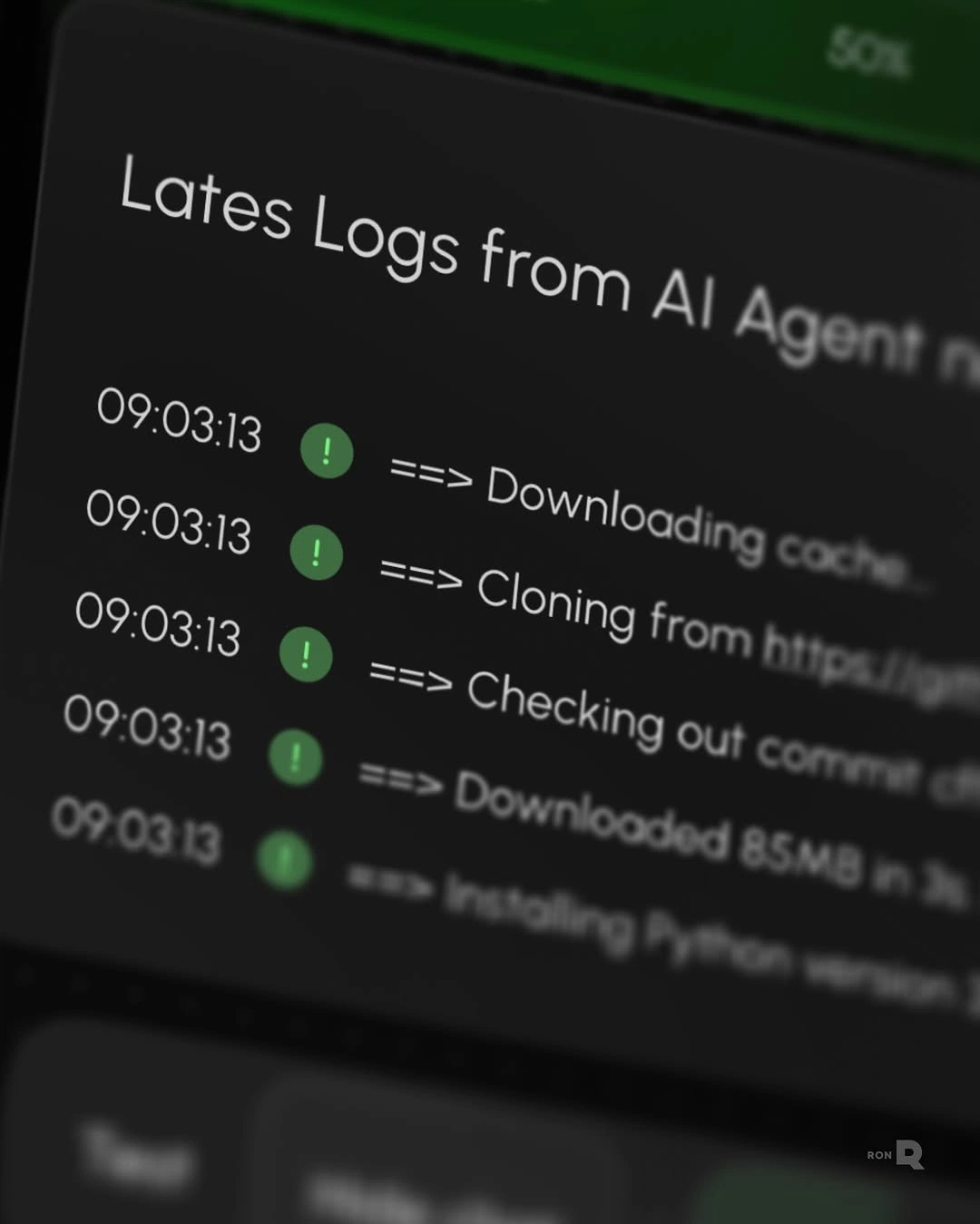
- Software Engineering: Agents that write code, execute test suites, analyze logs, and submit pull requests.
- Customer Support: Dynamic agents capable of accessing backend databases, resolving billing issues, and initiating refunds without human intervention.
- Research & Analysis: Autonomous agents gathering market intelligence, summarizing thousands of papers, and synthesizing comprehensive reports.
The Road Ahead
As tool integration becomes seamless and reasoning reliability improves, AI agents will transform from single-purpose assistants into comprehensive digital workforce extensions. The future belongs to those who learn to orchestrate and collaborate with these powerful AI systems.